Hass Avocados

The Hass avocado is a popular variety of avocado, known for its creamy texture and rich, buttery flavor. It has a distinctive rough, pebbly skin that turns from green to purplish-black as it ripens. The flesh inside is pale green with a smooth consistency, making it ideal for guacamole, salads, spreads, and smoothies. Hass avocados are nutrient-dense, offering healthy monounsaturated fats, fiber, and a variety of vitamins and minerals, including potassium and vitamin E. These fats are heart-healthy, helping to lower bad cholesterol levels. The Hass avocado tree is a medium-sized, evergreen tree that produces fruit year-round, making it a reliable source of avocados in various climates.
Tahiti Limes
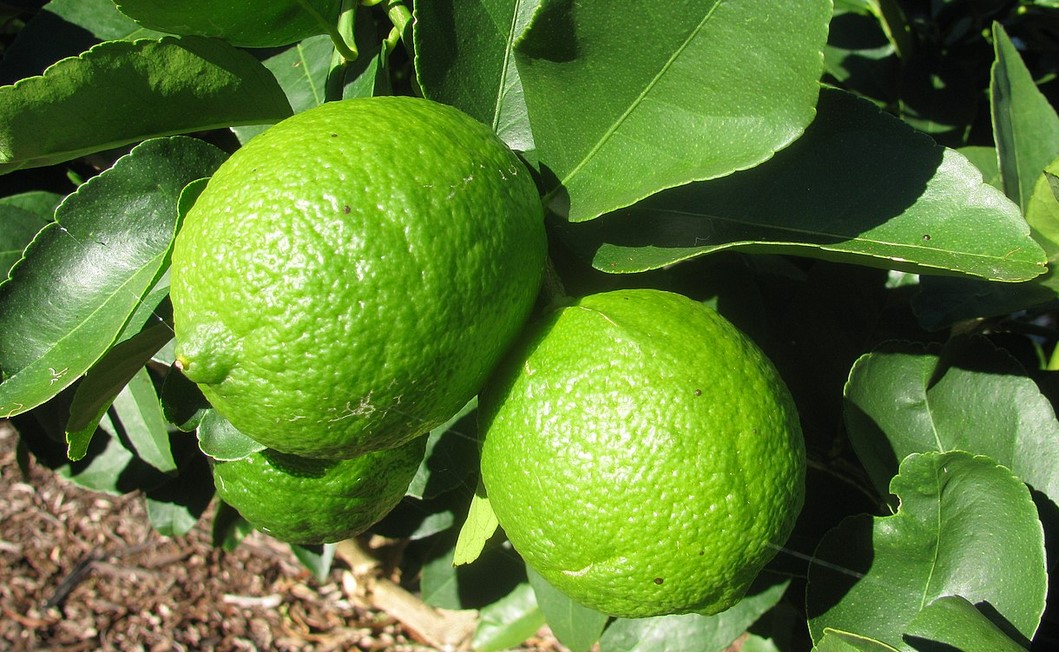
Persian lime, also known by other common names such as seedless lime, Bearss lime and Tahiti lime, is a citrus fruit species of hybrid origin, known only in cultivation. The Tahiti lime, also known as Persian lime, is a seedless citrus fruit with a slightly oval shape and smooth, bright green skin that turns yellow when fully ripe. It has a juicy, acidic flesh with a refreshing tart flavor, making it a versatile ingredient in cooking and beverages. Tahiti limes are commonly used in cocktails, marinades, dressings, and desserts, as well as a garnish. They are rich in vitamin C, antioxidants, and other essential nutrients, which support immune function and overall health. The trees are thornless and medium-sized, producing fruit throughout the year, particularly in warm climates. Tahiti limes are prized for their consistent flavor and ease of use in a wide range of culinary applications.
Basil
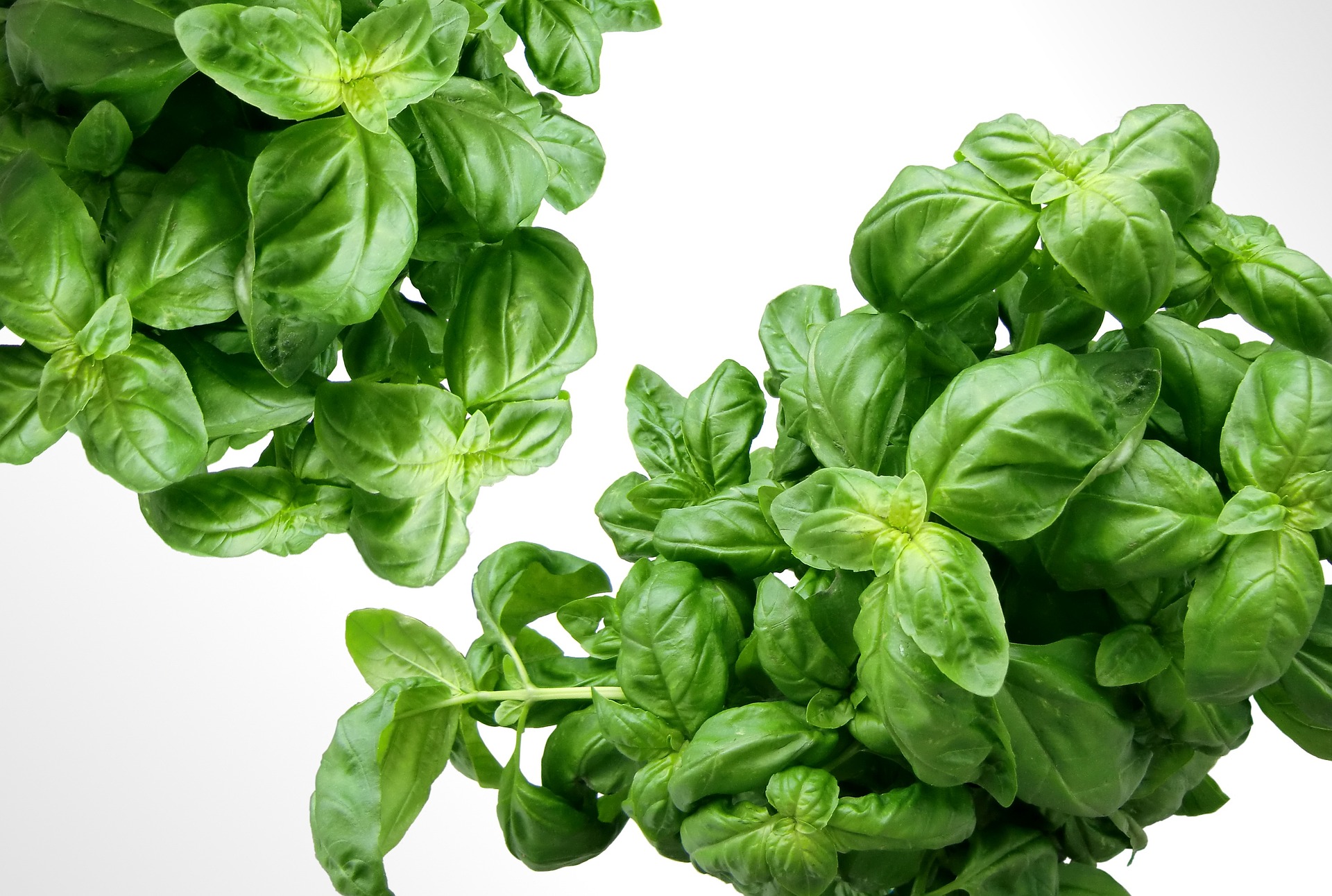
Basil is a fragrant herb with broad, green leaves and a sweet, slightly peppery flavor. It's a staple in Italian and Mediterranean cuisines, commonly used in dishes like pesto, caprese salad, and marinara sauce. Basil has anti-inflammatory properties and is rich in antioxidants, which can help combat oxidative stress. Additionally, it contains essential oils that have antimicrobial effects, aiding in the prevention of infections. Basil also supports cardiovascular health by helping to reduce cholesterol levels. It's easy to grow indoors and outdoors, making it a popular choice for home gardeners.
Sage
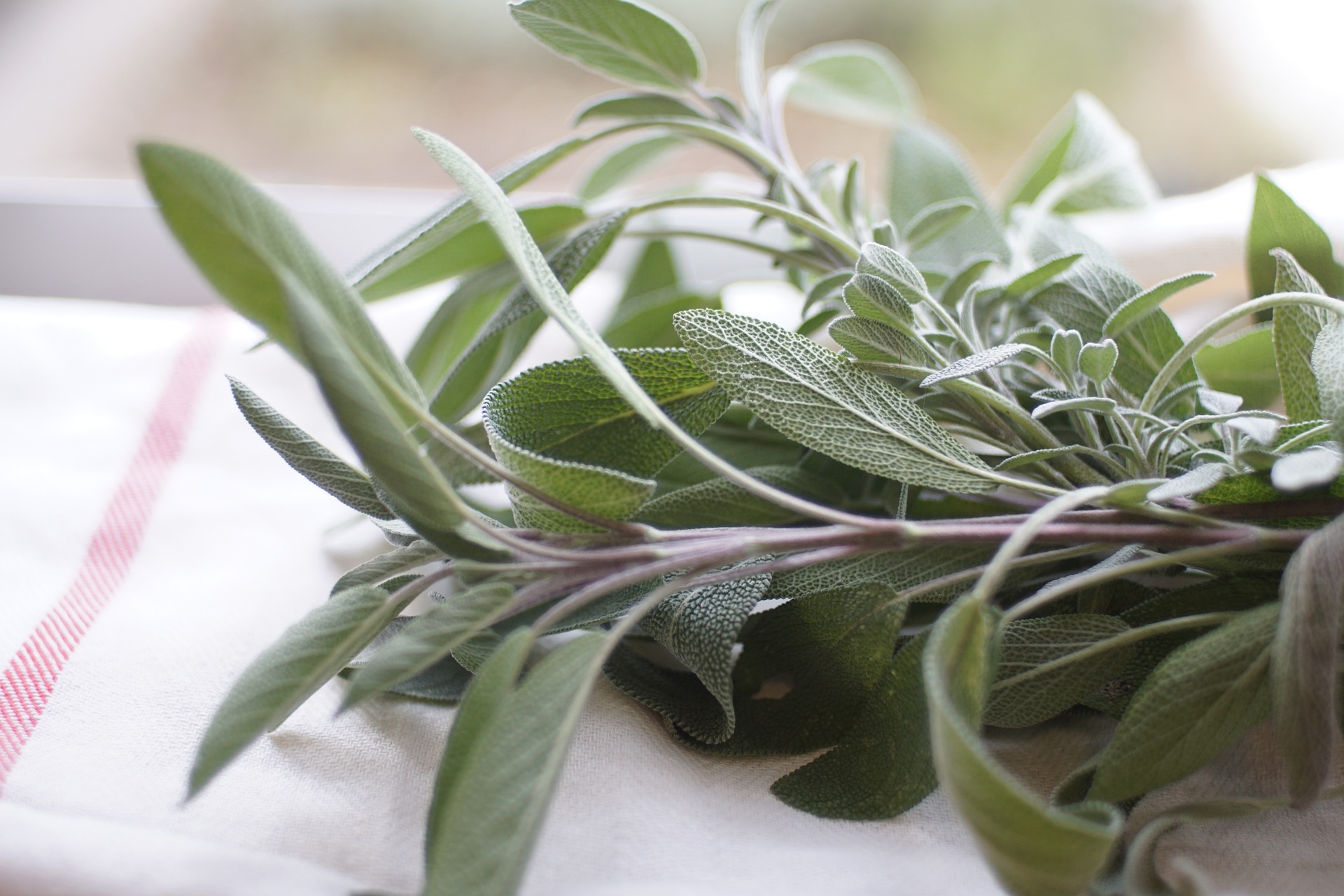
Sage features soft, gray-green leaves with a slightly bitter, earthy flavor, often used in stuffing, sausages, and poultry dishes. It's a key herb in holiday recipes, particularly in Thanksgiving stuffing. Sage is known for its antioxidant properties and contains compounds that can improve memory and cognitive function. It has also been used traditionally to help with digestive issues and reduce inflammation. Sage tea is a popular remedy for sore throats and coughs due to its antiseptic properties. Additionally, sage can be used in beauty products for its skin-soothing benefits.
Lemongrass
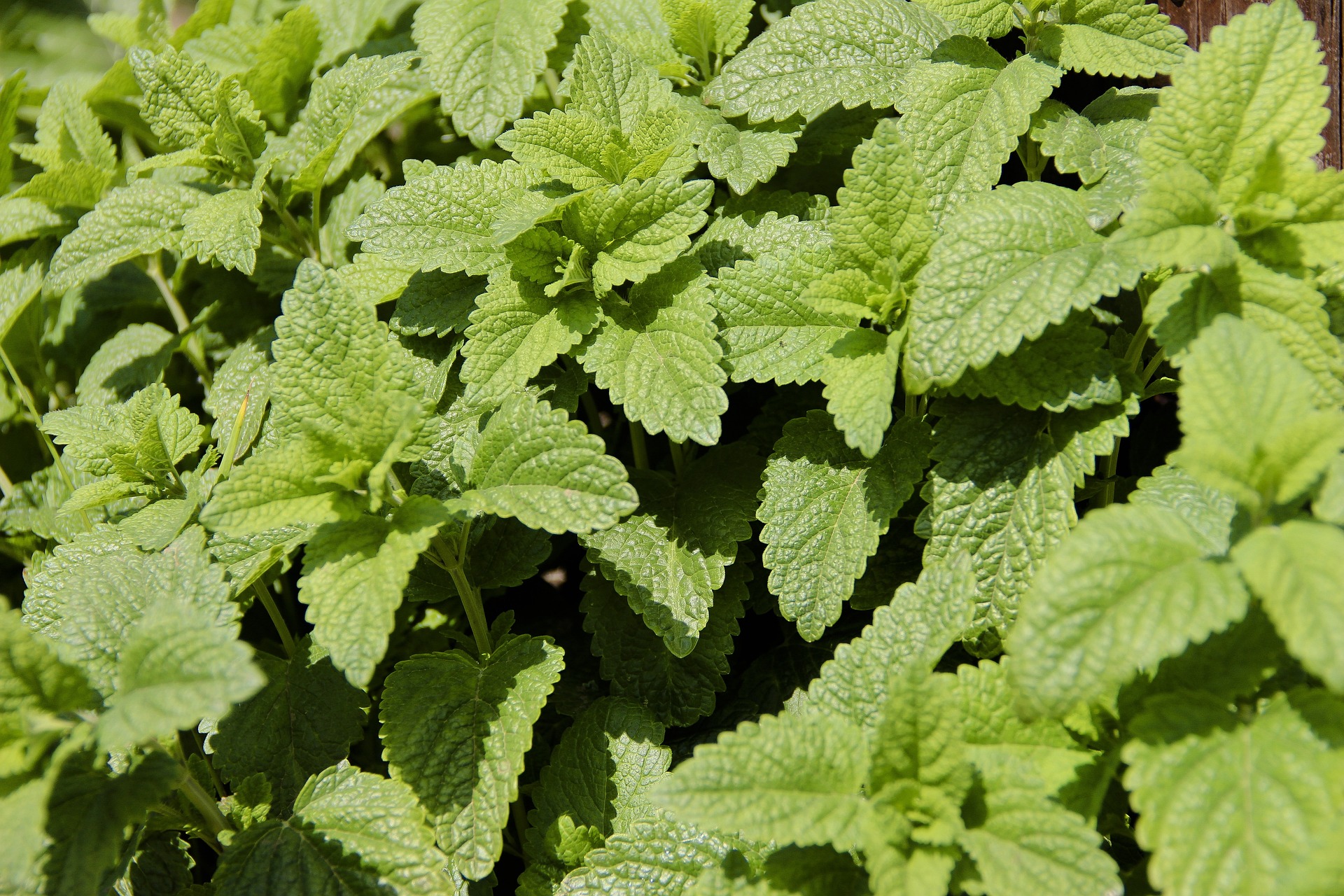
Lemongrass is a tall, stalky plant with a distinct lemon aroma and flavor, widely used in Asian cuisine, especially Thai dishes such as soups, curries, and teas. It’s known for its ability to aid digestion and reduce inflammation. Lemongrass contains compounds that have antioxidant and antimicrobial properties, which can help boost the immune system. It is also used in aromatherapy for its calming effects and to relieve stress and anxiety. Lemongrass oil is popular in natural insect repellents. It grows well in warm climates and can be used fresh or dried.
Thyme
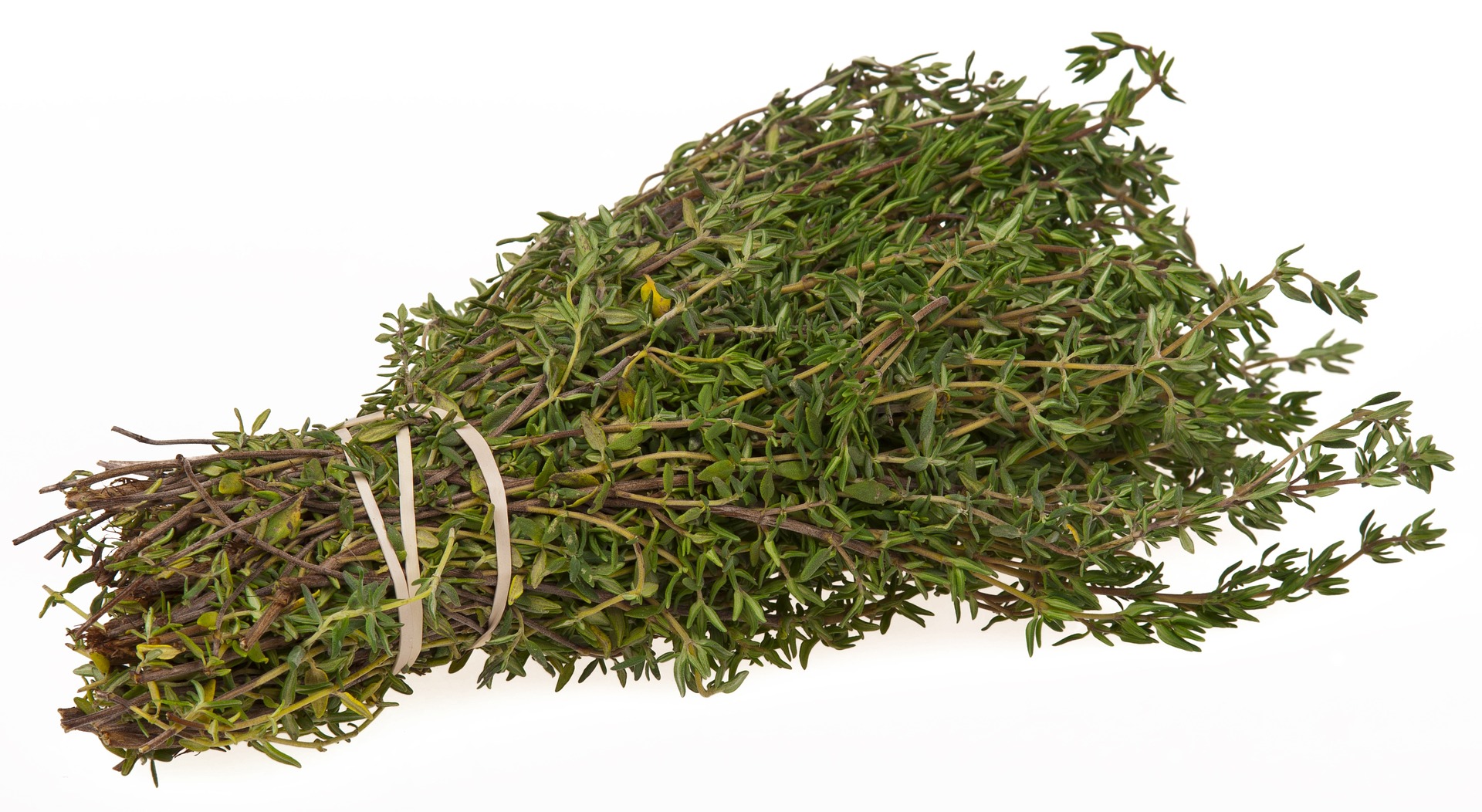
Thyme is a small, woody plant with tiny, aromatic leaves that are commonly used in Mediterranean and French cooking, adding depth to meats, soups, and stews. Thyme pairs well with other herbs such as rosemary, parsley, and oregano. It has antimicrobial properties that can support respiratory health and help fight infections. Thyme tea is often used as a remedy for coughs and bronchitis. The essential oil of thyme is also used in natural cleaning products due to its antiseptic qualities. Thyme is easy to grow in well-drained soil and full sun, making it a versatile herb for gardens.
Marjoram
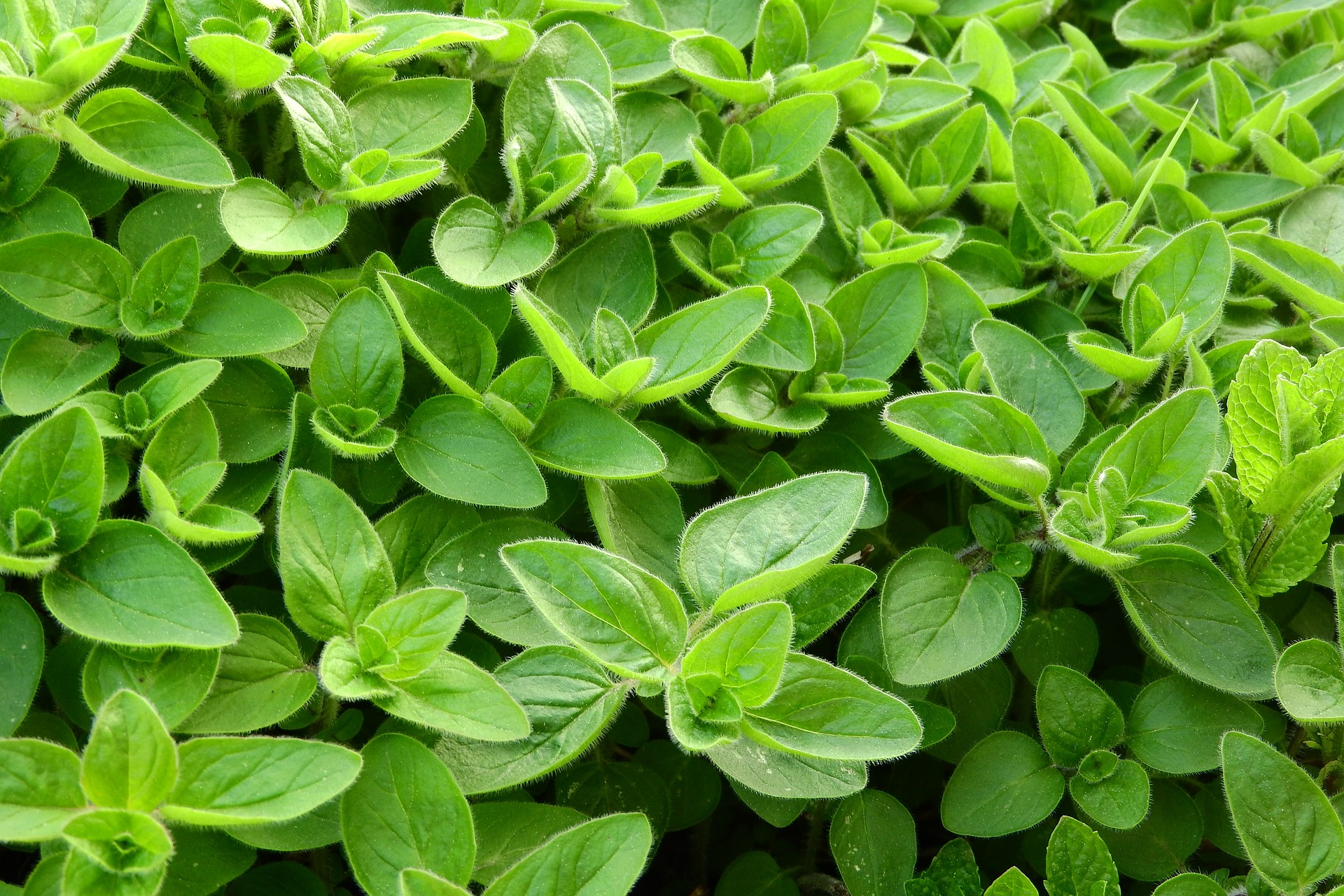
Marjoram is a tender, aromatic herb with small, oval leaves and a milder, sweeter flavor than oregano. It's often used in Mediterranean and Middle Eastern dishes, such as soups, sauces, and meat dishes. Marjoram can aid in digestion and improve appetite by stimulating digestive enzymes. It has anti-inflammatory and antimicrobial properties, making it beneficial for immune support. Marjoram tea is known for its calming effects and can help relieve stress and anxiety. The herb is also used in essential oils for aromatherapy and massage.
Melissa
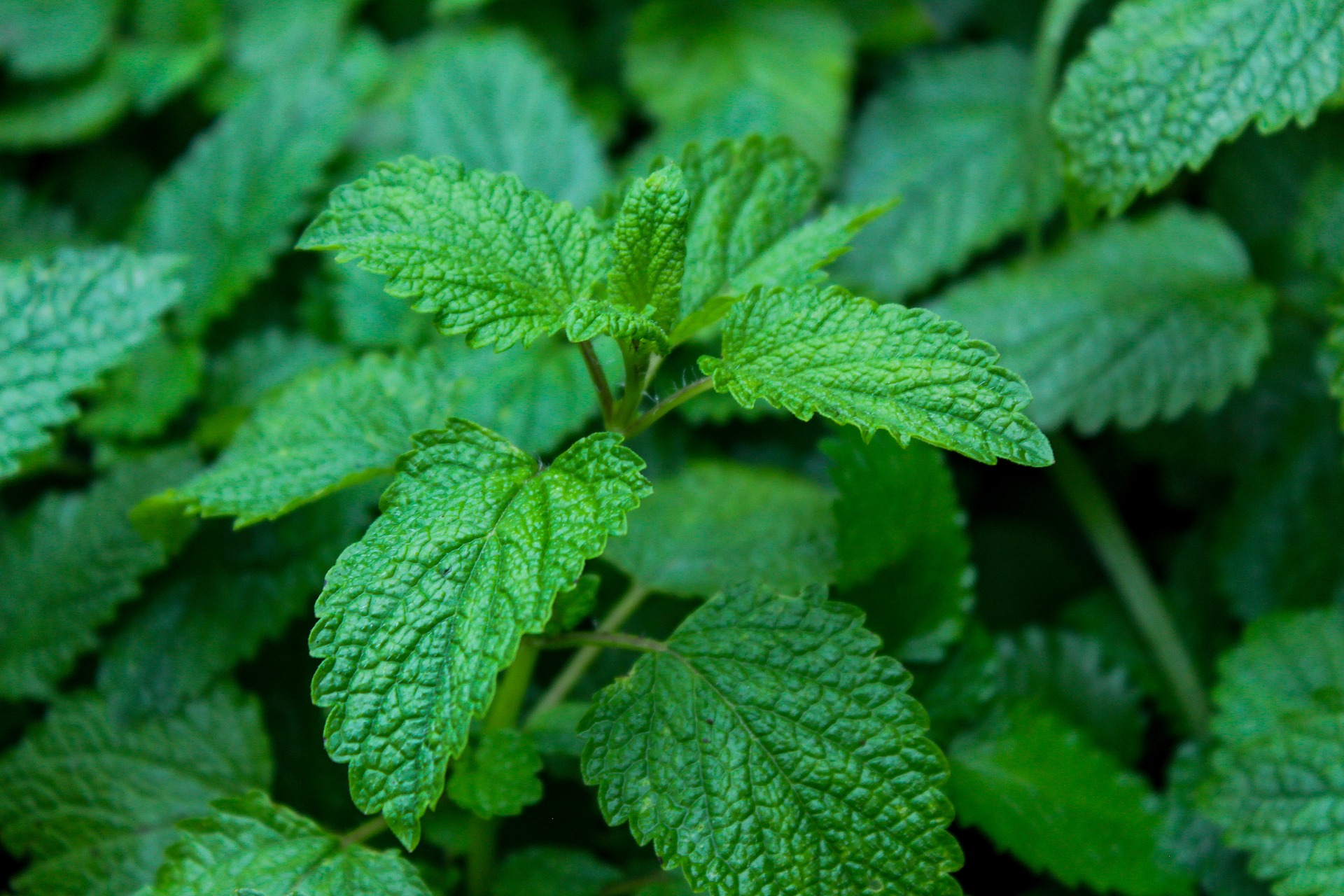
Melissa, or lemon balm, is a leafy herb with a mild lemon scent, used in teas, salads, and desserts. It has calming effects, making it useful for reducing stress and anxiety, and promoting sleep. Lemon balm is also known for its antiviral properties and is often used to treat cold sores. It can improve mood and cognitive function, making it a popular herb for herbal teas and tinctures. In the garden, lemon balm attracts pollinators like bees. It grows well in a variety of soils and can be propagated easily.
Chives
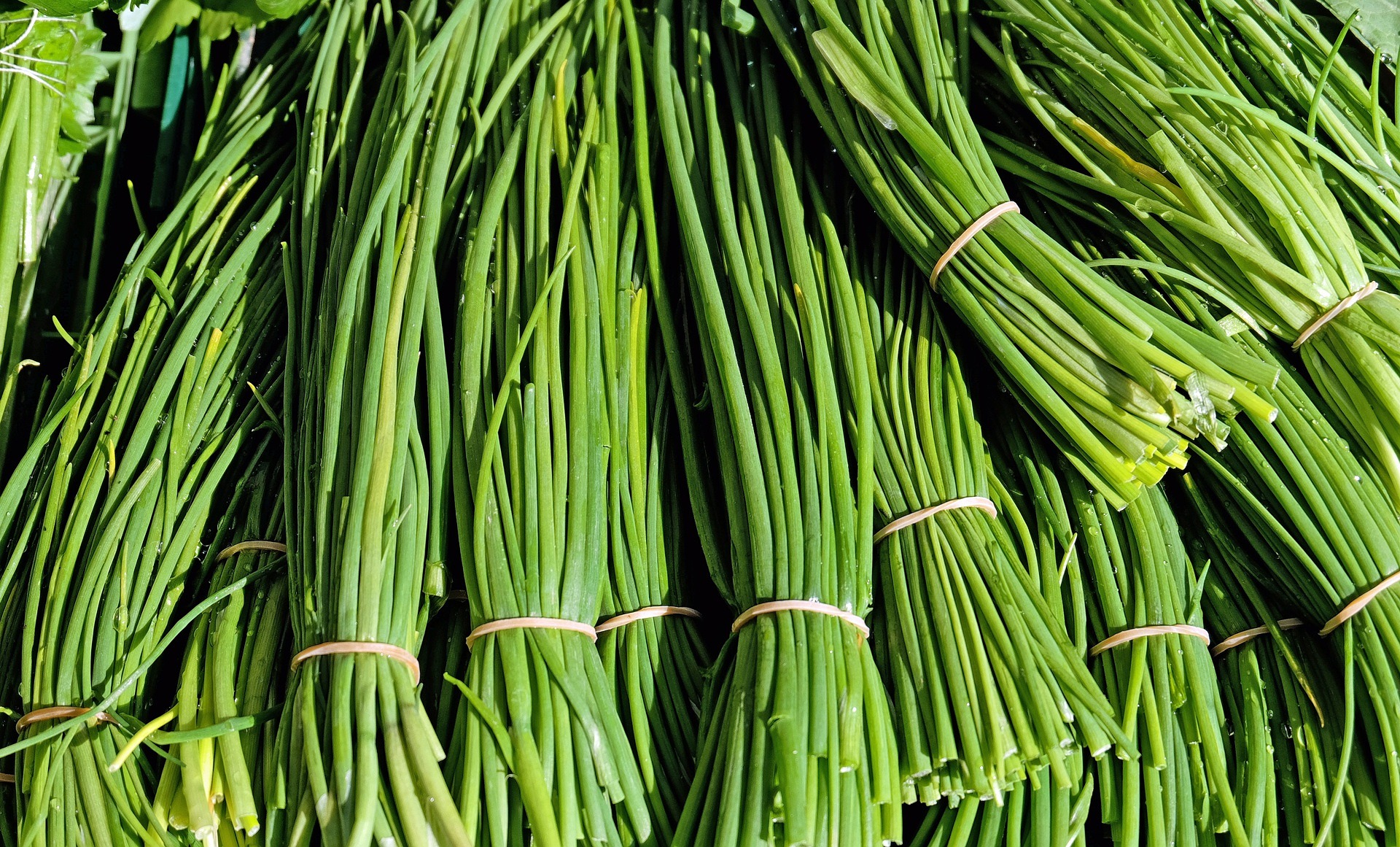
Chives are a member of the onion family with slender, green stalks and a mild onion flavor. They are often used as a garnish for soups, salads, and baked potatoes. Chives are rich in vitamins A and C and contain compounds that can help lower blood pressure and improve heart health. They also have antioxidant properties that support overall health. Chives are easy to grow in pots or gardens and can thrive in various climates. Their flowers are edible and can add a decorative touch to dishes.
Mint
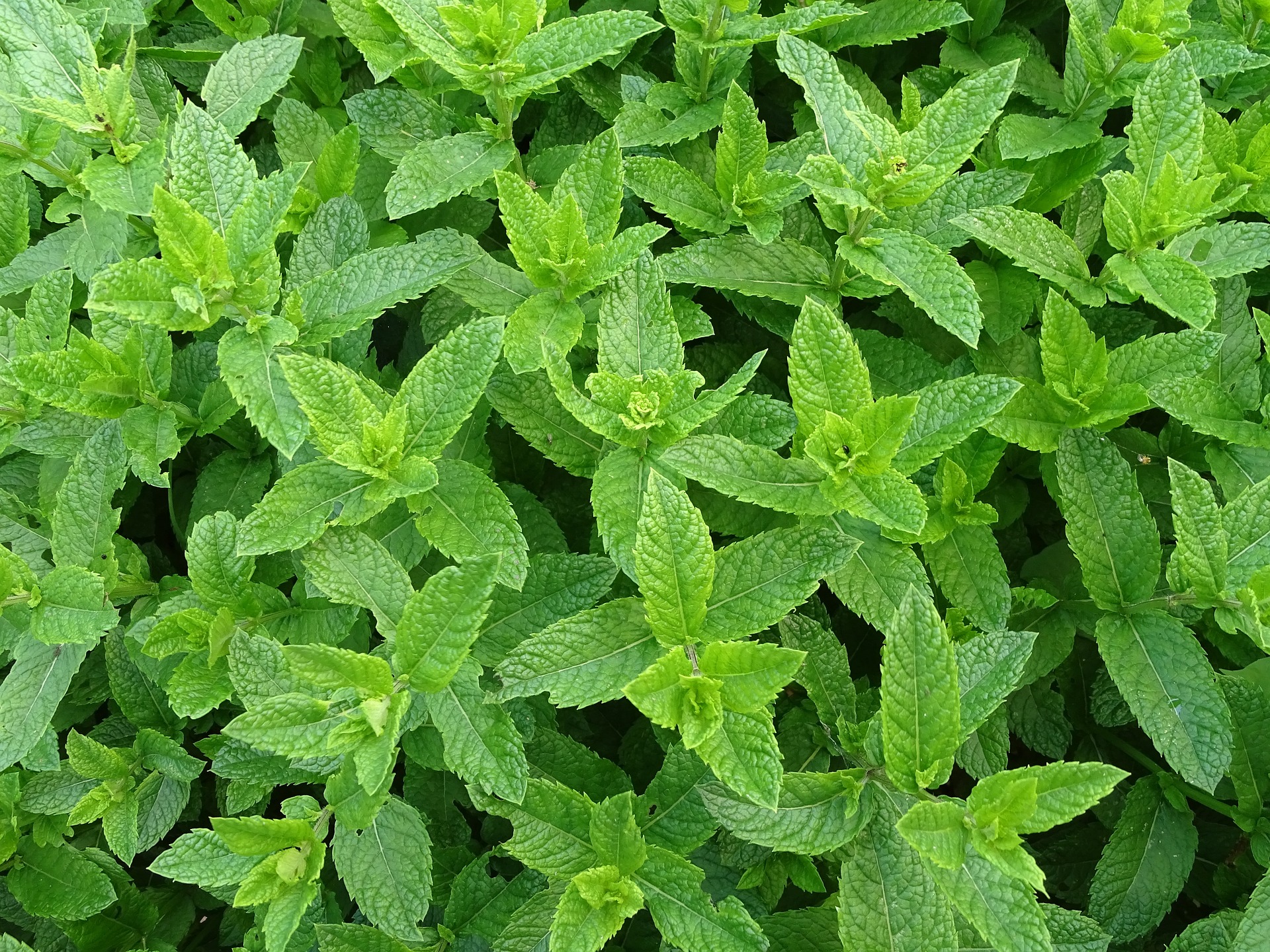
Mint is a fast-growing herb with bright green leaves and a refreshing, cool flavor, used in beverages, desserts, and savory dishes like lamb and tabbouleh. Mint has digestive benefits and can help alleviate nausea, headaches, and respiratory issues. It contains menthol, which has a cooling and soothing effect. Mint tea is a popular remedy for indigestion and can also help freshen breath. Mint can be invasive in the garden, so it’s often grown in containers. The essential oil of mint is used in a variety of products, from toothpaste to aromatherapy oils.
Chamomile
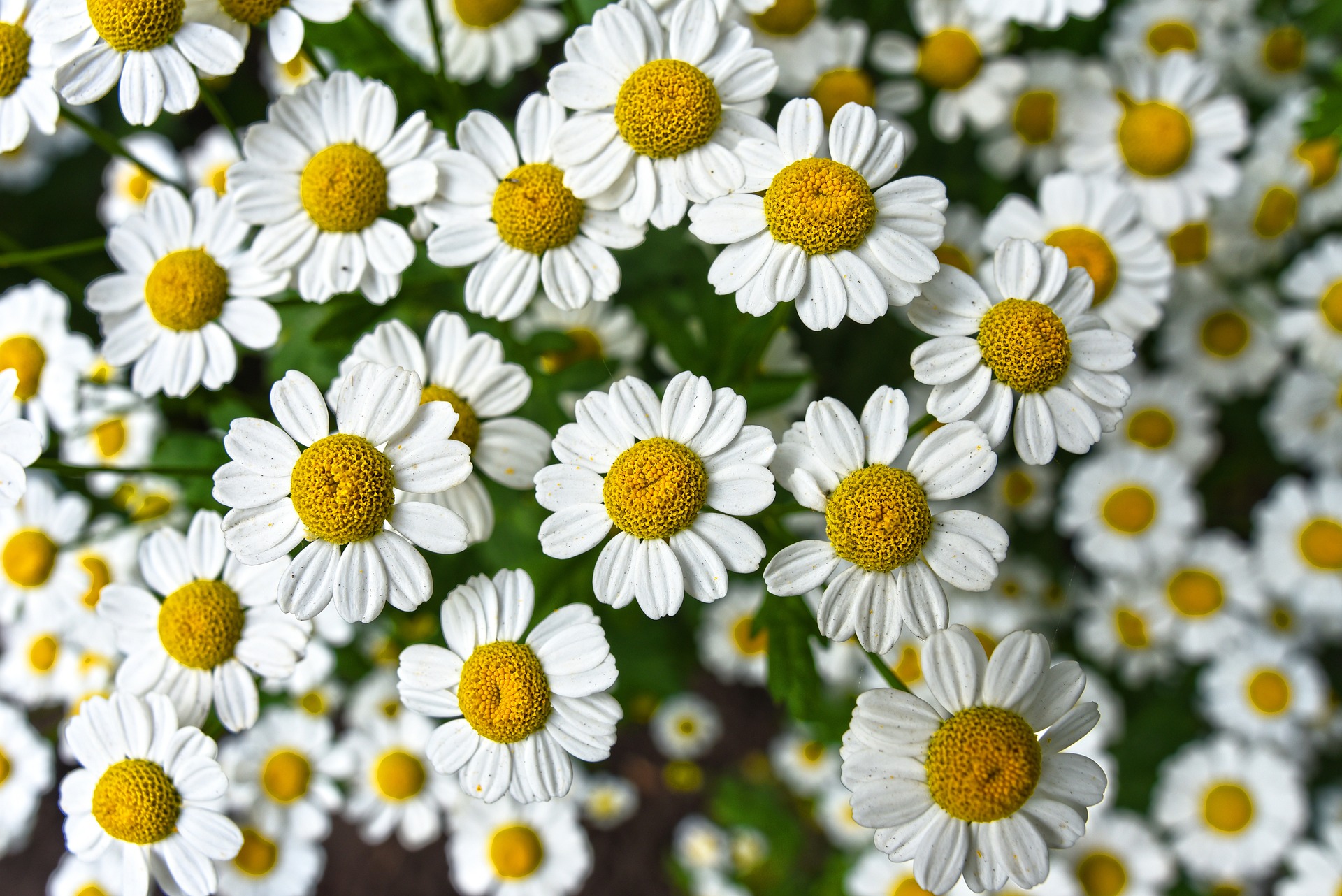
Chamomile is a small, daisy-like plant with white petals and a yellow center, commonly used in teas. It has calming properties that can help reduce anxiety and promote sleep, as well as anti-inflammatory effects that can soothe digestive issues. Chamomile tea is also used to relieve symptoms of colds and menstrual pain. The herb has antioxidant properties that support skin health and is often used in skincare products. Chamomile can be grown easily in gardens and pots, preferring well-drained soil and full sun.
Cilantro
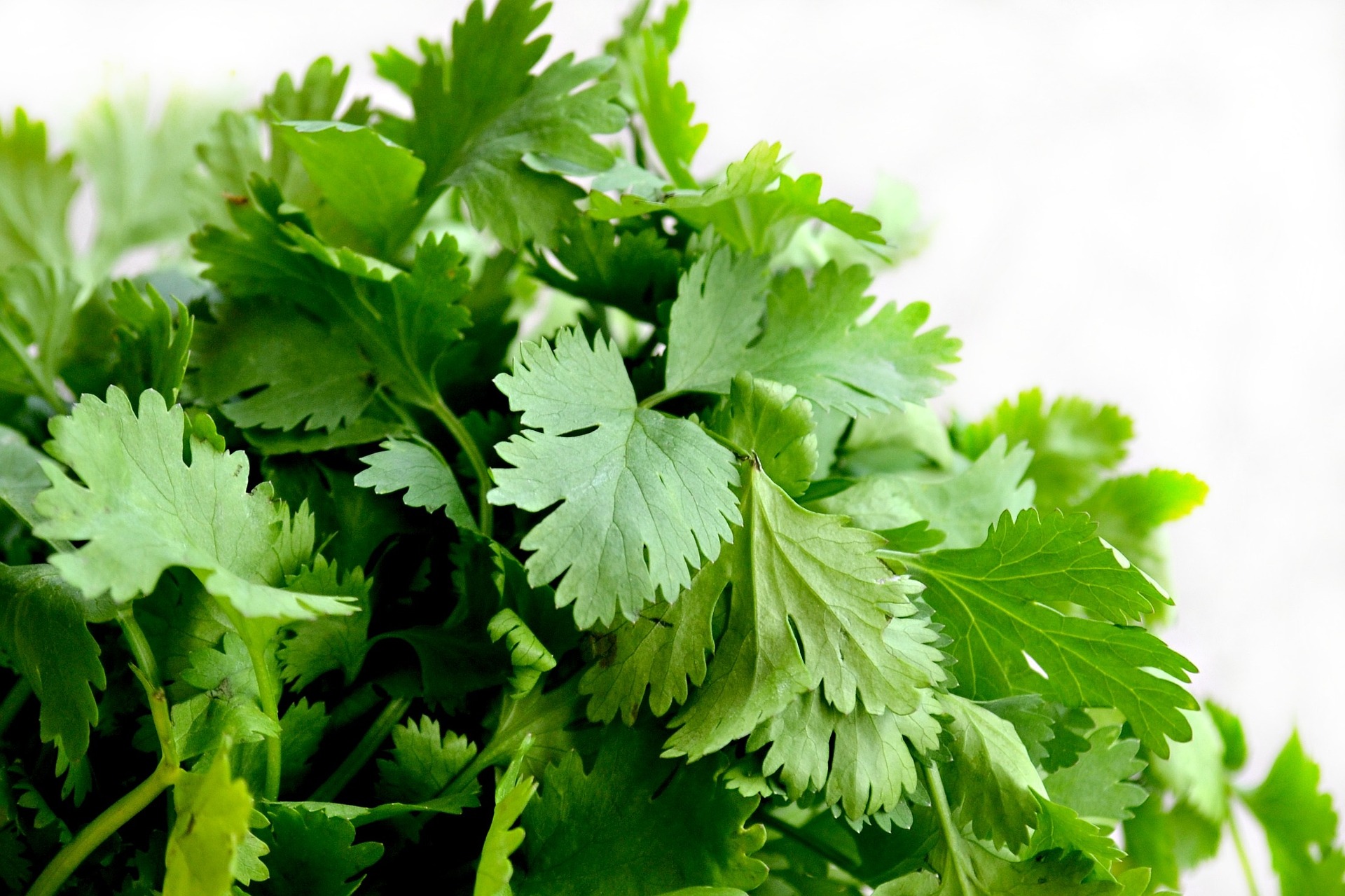
Coriander, or cilantro, has delicate, lacy green leaves and a distinct, citrusy flavor. It’s widely used in Mexican, Indian, and Middle Eastern cuisines, adding a fresh taste to salsas, curries, and salads. Coriander seeds have a warm, spicy flavor and are used in spice blends like garam masala. The herb can aid in digestion and has antimicrobial properties that help fight infections. It also contains antioxidants and vitamins that support overall health. Cilantro is easy to grow and can be harvested continuously.
Oregano
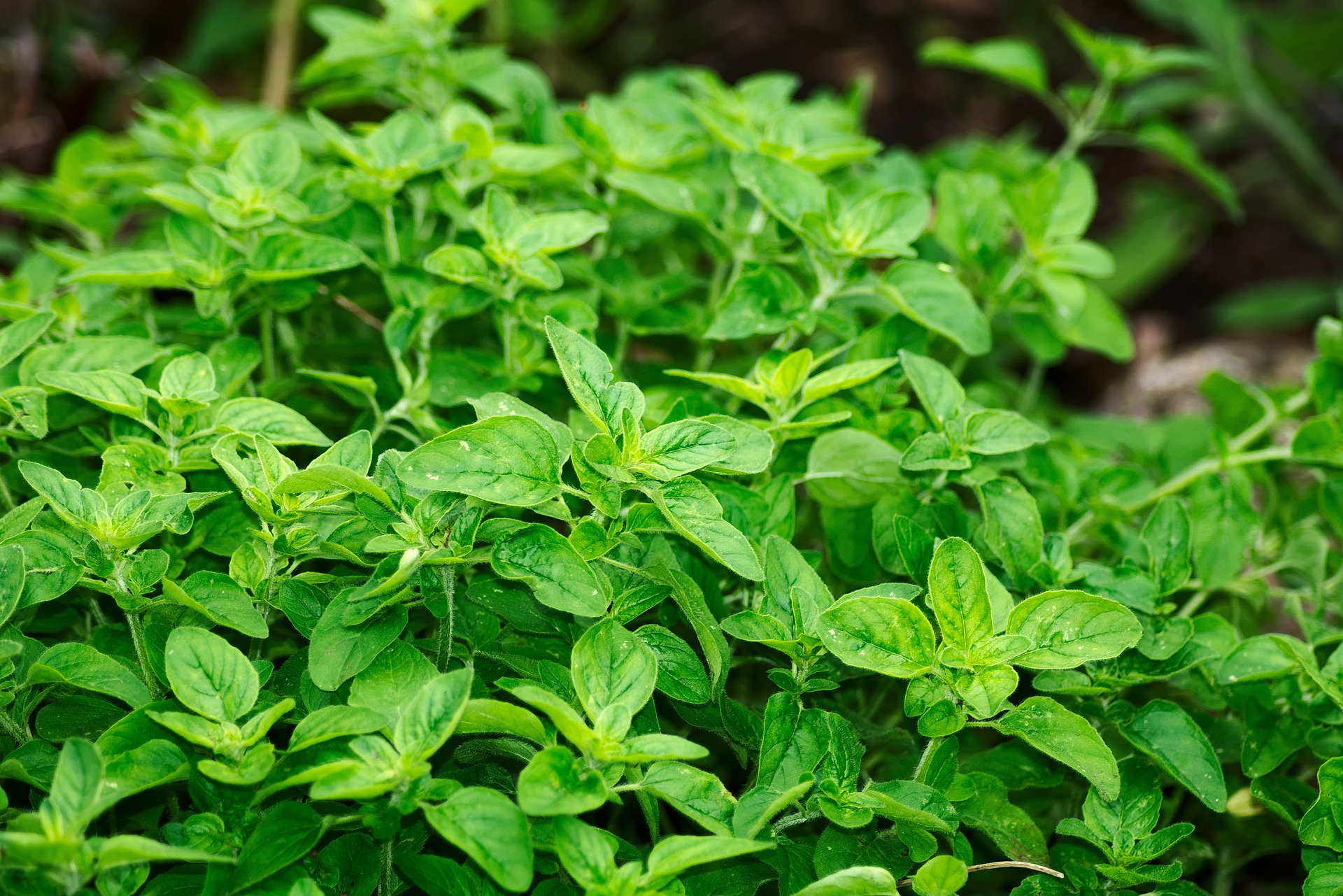
Oregano is a hardy herb with small, dark green leaves and a robust, slightly bitter flavor, essential in Italian and Greek dishes like pizza, pasta, and salads. It has powerful antioxidant and antimicrobial properties, which can help boost the immune system. Oregano oil is used for its antibacterial and antiviral effects, often in natural remedies for colds and respiratory issues. The herb also contains compounds that can help reduce inflammation and pain. Oregano thrives in well-drained soil and full sun.
Calendula

Calendula, or pot marigold, has bright orange or yellow flowers and is used in salads, as a natural dye, and in herbal teas. It has anti-inflammatory and healing properties, making it useful for skin conditions like eczema and wounds. Calendula can also help soothe sore throats and digestive issues. The flowers contain antioxidants that support overall health and are often used in skincare products for their soothing and moisturizing effects. Calendula grows well in most soils and attracts beneficial insects to the garden.
Dill

Dill is a feathery herb with delicate, fern-like leaves and a fresh, slightly tangy flavor, commonly used in pickles, salads, and seafood dishes. Dill can aid digestion and has antibacterial properties that help fight infections. It also contains antioxidants and vitamins that support overall health. Dill seeds are used in spice blends and can add flavor to breads and soups. The herb grows well in well-drained soil and full sun, and its flowers attract beneficial insects to the garden.
Parsley
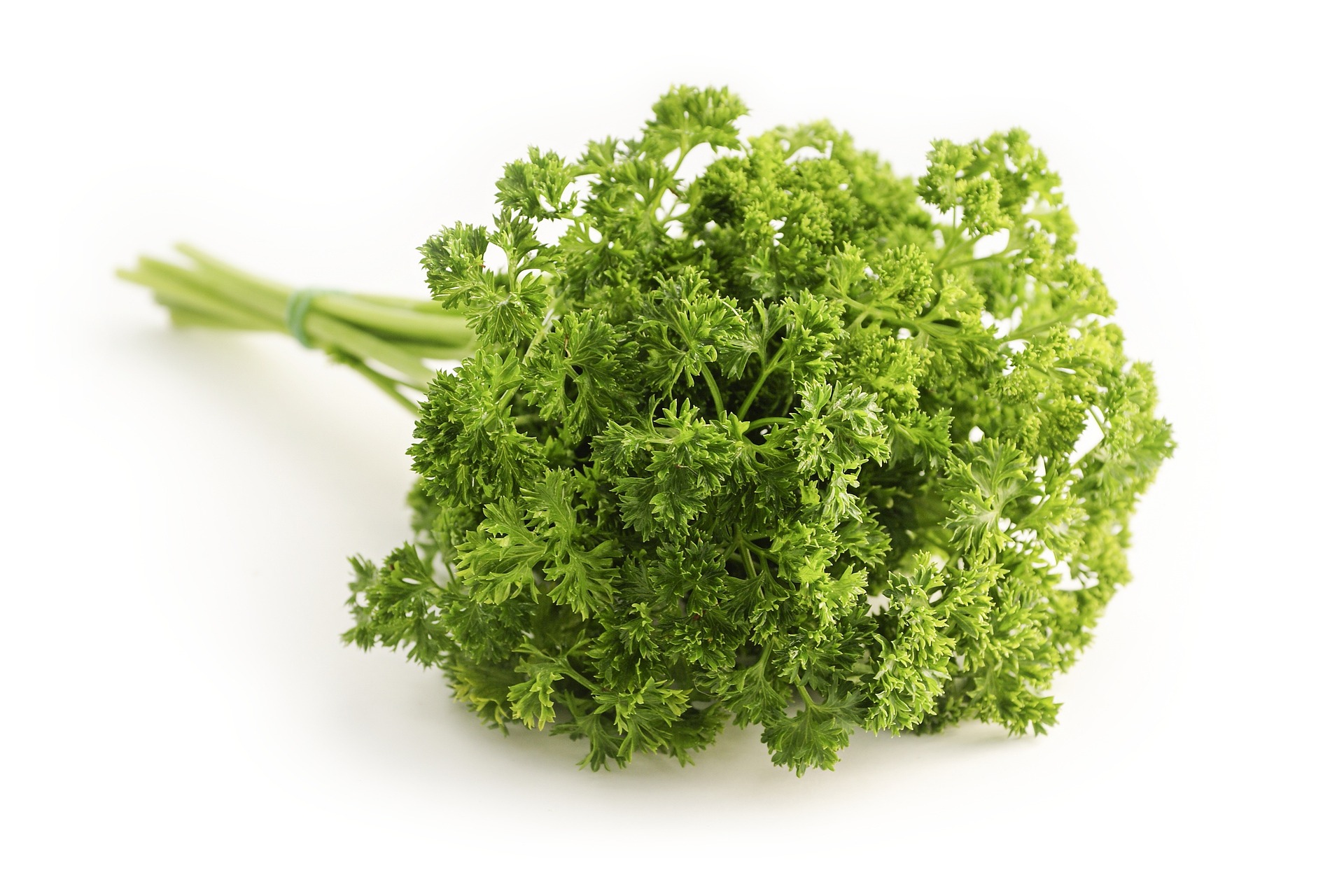
Parsley is a leafy green herb with a slightly peppery flavor, often used as a garnish or in dishes like tabbouleh and chimichurri. It’s rich in vitamins A, C, and K, which support immune function, vision, and bone health. Parsley can also help freshen breath and aid in digestion. The herb contains antioxidants that can help reduce inflammation and support overall health. Parsley grows well in a variety of soils and climates and can be harvested continuously.
Rosemary
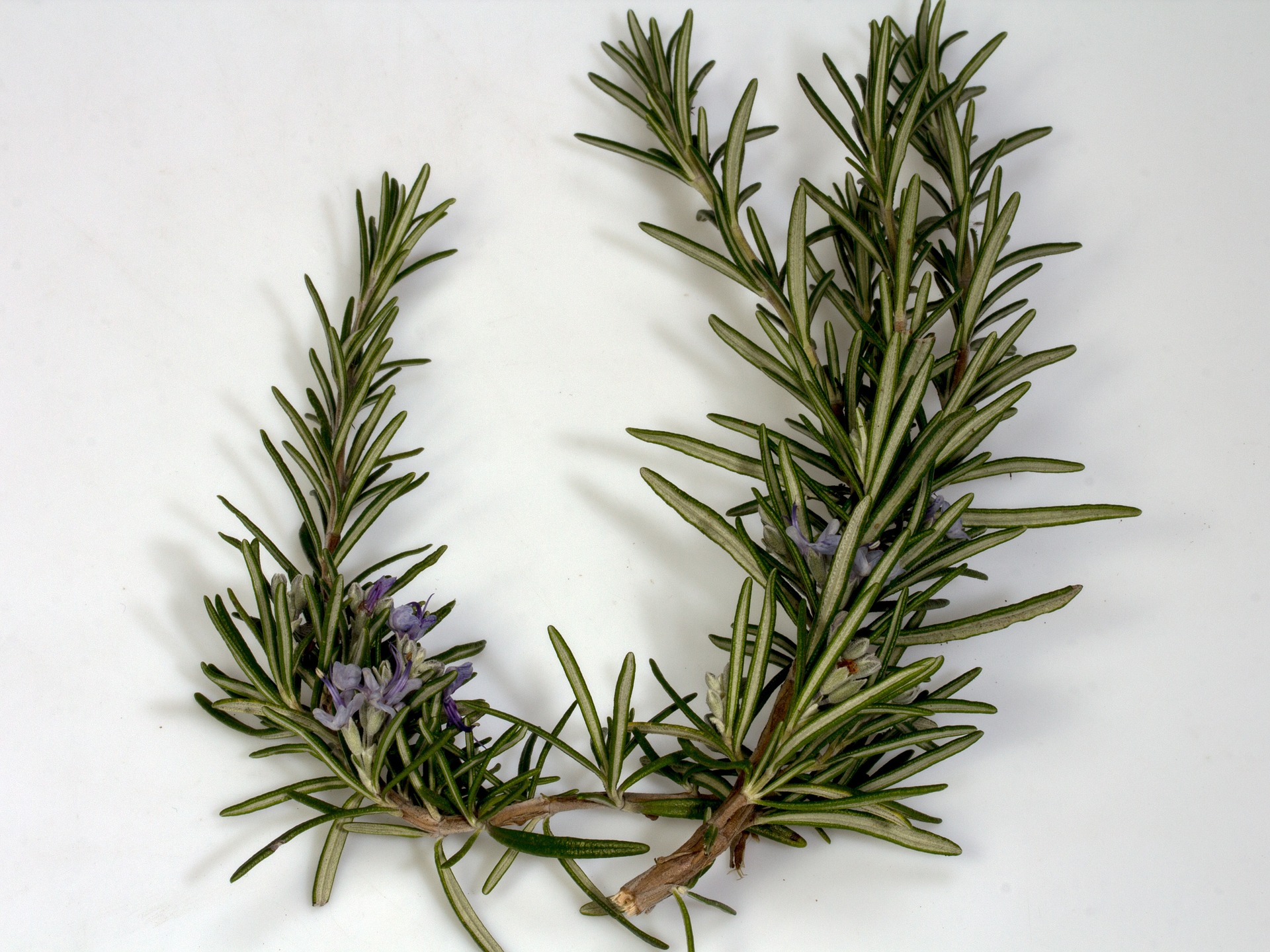
Rosemary is a woody herb with needle-like leaves and a strong, piney flavor, used to season meats, especially lamb and poultry, and in roasted vegetables. It has antioxidant properties and can improve concentration and memory. Rosemary can also help reduce inflammation and boost the immune system. The essential oil of rosemary is used in aromatherapy for its invigorating effects. Rosemary grows well in well-drained soil and full sun and can be pruned to maintain its shape.
Tarragon
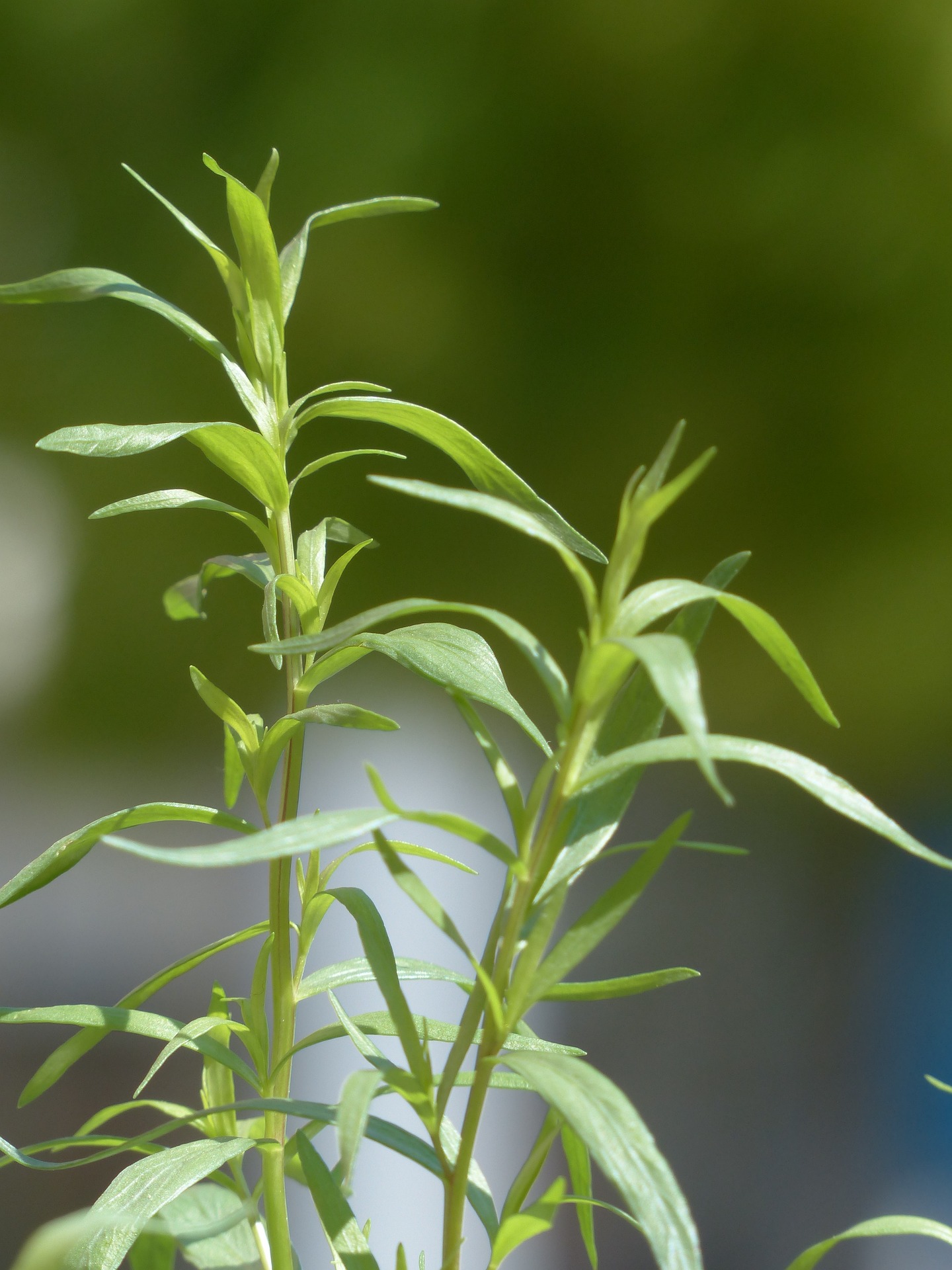
Tarragon has slender, dark green leaves and a slightly sweet, anise-like flavor, often used in French cuisine, particularly in sauces like béarnaise and tarragon vinegar. It can aid in digestion and has antibacterial properties that help fight infections. Tarragon also contains antioxidants that support overall health. The herb is used in herbal teas for its calming effects and to help with insomnia. Tarragon grows well in well-drained soil and full sun and can be propagated by cuttings.
Bay Laurel
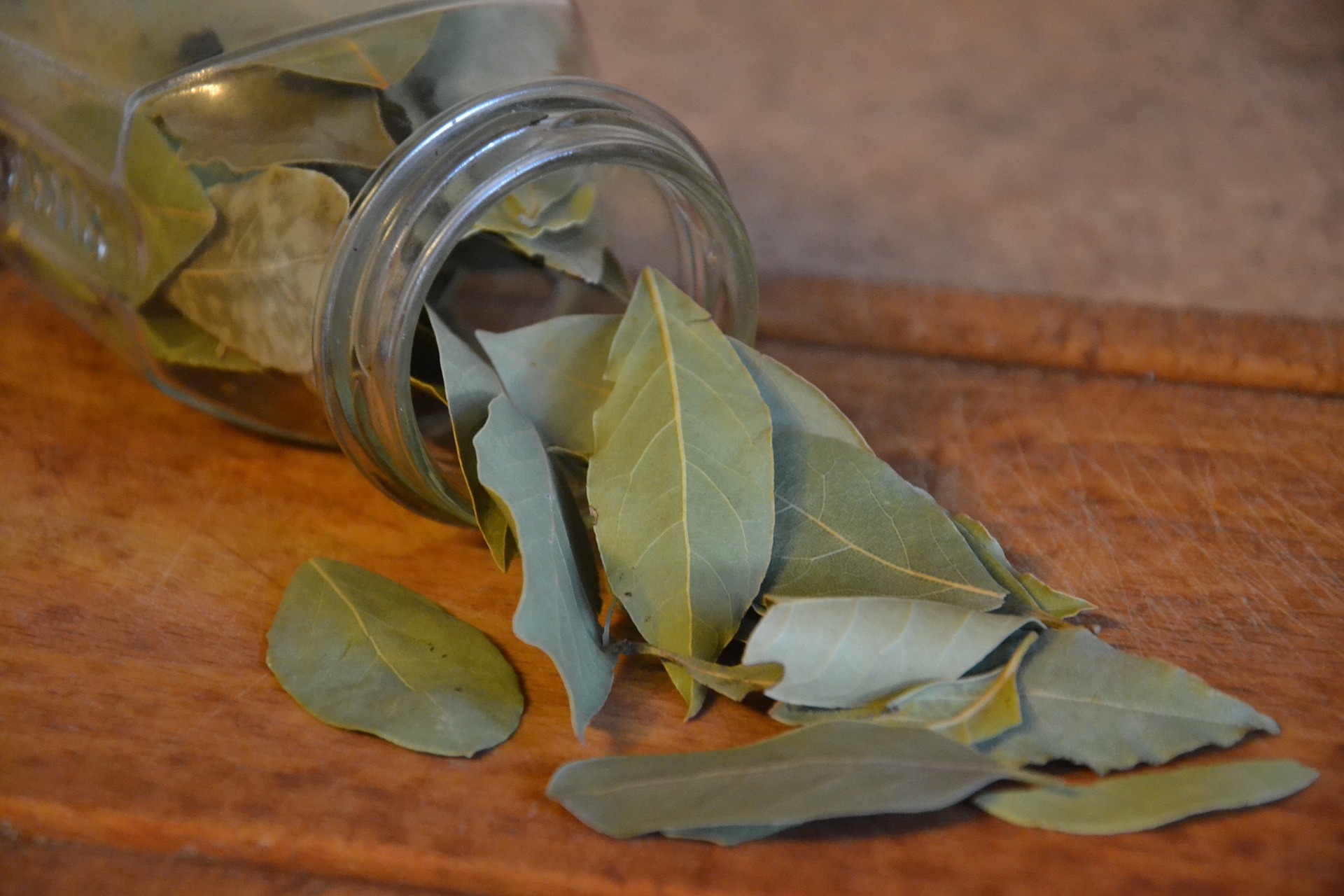
Bay laurel has broad, glossy leaves with a strong, pungent flavor, used in soups, stews, and sauces. The leaves are removed before serving. Bay leaves can aid in digestion and have anti-inflammatory properties. They are also used to relieve respiratory issues and boost the immune system. Bay laurel can be grown as a shrub or tree and prefers well-drained soil and full sun. The leaves can be dried and stored for long-term use, retaining their flavor and aroma.